
Unraveling the intriguing evolution of gambling through the ages
The Origins of Gambling
The history of gambling can be traced back thousands of years to ancient civilizations. The earliest evidence suggests that the practice began with simple games of chance, likely involving dice made from bones or other materials. These primitive games were often tied to rituals and were used as a means of divination, highlighting the intertwining of gambling with human culture and spirituality. In contemporary discussions, many are curious about crypto casinos as they explore the modern evolution of this pastime.
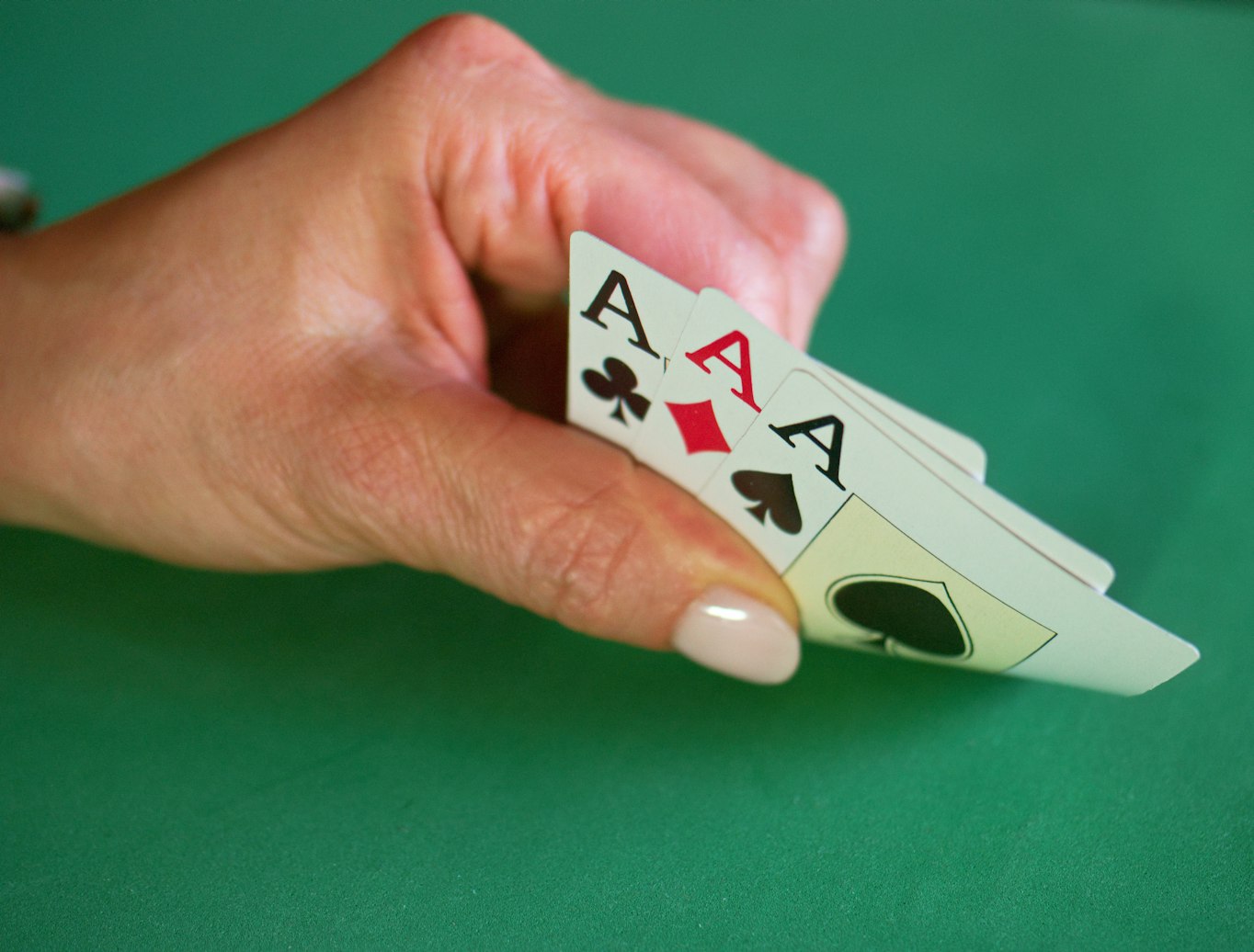
As societies evolved, so did gambling. The Chinese, for example, developed a rudimentary form of lottery as early as 205 BC, using it to fund government projects. This early adaptation of gambling demonstrates its potential not just as a pastime but also as a tool for economic development.
The Role of Gambling in Ancient Cultures
As civilizations advanced, gambling became more organized and widespread. In ancient Rome, betting on gladiatorial contests and chariot races was popular among the masses. These events provided not only entertainment but also an opportunity for social interaction, as spectators wagered on their favorites, creating a communal atmosphere centered around competition.
Similarly, in ancient Greece, gambling was often associated with religious festivals and games. The Greeks saw it as a natural extension of competition and skill, evident in the prevalence of dice games and other betting activities at their gatherings. This cultural acceptance laid the groundwork for future developments in gambling practices.
The Evolution of Casino Gaming
The modern casino, as we know it, began to take shape in the 17th century in Italy. The establishment of the first official gambling house, known as the Ridotto, marked a significant turning point in gambling history. This venue offered a controlled environment for gaming, with rules and regulations that aimed to protect both players and operators.
As the concept of casinos spread throughout Europe, they transformed into lavish establishments where the wealthy could indulge in games of chance. The introduction of games like baccarat and roulette added an element of sophistication and allure, attracting a clientele eager for both excitement and social status.
The Impact of Technology on Gambling
The advent of technology in the 20th century dramatically reshaped the gambling landscape. The invention of the slot machine in the late 1800s introduced a new form of gaming that appealed to a broader audience. These machines offered the thrill of gambling without requiring extensive knowledge of games, making them accessible to everyone.
With the rise of the internet in the late 20th century, online gambling emerged, revolutionizing the industry. Players could now enjoy their favorite casino games from the comfort of their homes, leading to a surge in popularity and participation. This shift also prompted the development of regulations to ensure fair play and protect consumers in this rapidly evolving market.
Gambling Today and Its Cultural Relevance
Today, gambling is a multi-billion-dollar industry with a diverse range of offerings, from traditional casinos to online platforms and sports betting. Its integration into modern culture is evident through films, television shows, and even video games that depict gambling as an exciting and often glamorous activity. This portrayal influences public perception and encourages participation among new generations.
As society continues to grapple with the implications of gambling, including concerns about addiction and responsible play, many organizations and governments are working to promote awareness and implement measures to protect individuals. The evolution of gambling is ongoing, highlighting its ability to adapt to societal changes and technological advancements.

 Kiswahili
  English