
Exploring the hidden psychological triggers in gambling behavior
The Allure of Risk
The thrill of risk is one of the most compelling psychological triggers in gambling behavior. Many individuals are drawn to the uncertainty and excitement that come with placing a bet. This excitement can lead to a rush of adrenaline, which some gamblers equate with enjoyment and entertainment. The anticipation of winning, paired with the potential for a substantial payoff, creates an enticing atmosphere that keeps players engaged. For those venturing into this world for the first time, knowing that there are opportunities for casino real money can further intensify this experience.
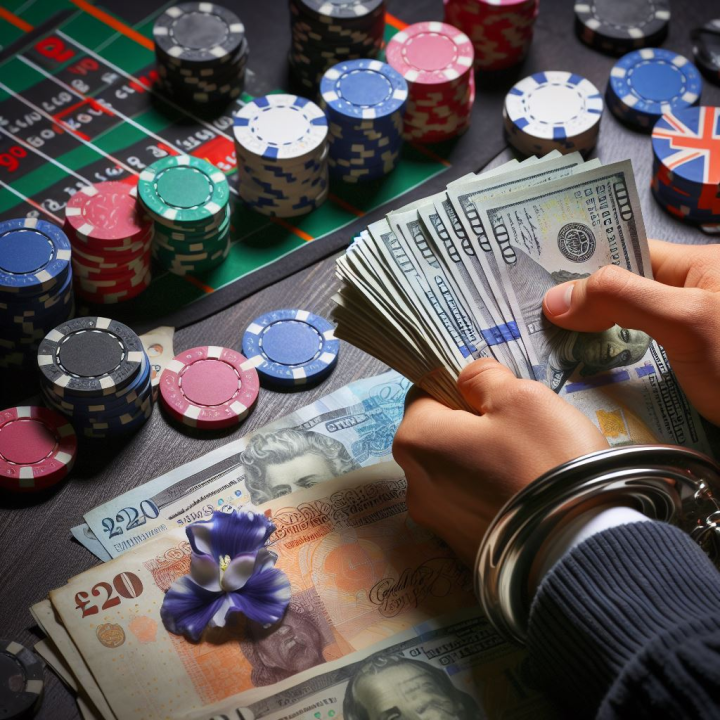
This allure is often compounded by cognitive biases, such as the illusion of control. Gamblers might believe they have a greater influence over the outcome than they actually do, reinforcing their desire to participate. Understanding this psychological aspect can help individuals recognize the allure of gambling and the mental traps that come with it.
The Role of Social Influences
Social factors significantly impact gambling behavior, acting as powerful psychological triggers. The presence of peers can amplify the excitement and urgency surrounding gambling activities. Group dynamics often lead to increased participation, as individuals may feel pressured to conform to social norms or to avoid missing out on communal fun.
Moreover, the portrayal of gambling in media and popular culture can shape perceptions and attitudes toward these activities. Positive representations can normalize gambling behavior, making it seem more appealing and acceptable in social contexts. Recognizing these social influences is crucial for understanding why certain individuals might be more inclined to gamble.
The Impact of Reward Systems
The human brain is wired to seek out rewards, and gambling activates the brain’s reward system in a profound way. The intermittent rewards associated with gambling, such as occasional wins, can create a cycle of reinforcement that keeps players engaged. This phenomenon is often referred to as the “near-miss effect,” where players perceive a close call to be a motivating factor, encouraging them to keep playing in hopes of eventual success.
Additionally, the excitement of winning—whether big or small—triggers the release of dopamine, a chemical that induces feelings of pleasure and satisfaction. Understanding how these reward mechanisms function can provide insight into why some individuals may develop compulsive gambling behaviors.
The Illusion of Skill
Many gamblers fall into the trap of believing they possess skills that can influence outcomes, particularly in games that involve strategy. This belief can lead to overconfidence, where individuals think their decisions will impact the results. This psychological trigger can keep players engaged longer than they initially intended, as they chase the feeling of competence and control.
The misconception of skillfulness is particularly prevalent in poker and other card games, where players often believe they can outsmart their opponents. By understanding the illusion of skill, gamblers can better assess their motivations and the potential for irrational decision-making in their gambling behaviors.

Exploring Responsible Gambling Practices
Understanding the psychological triggers that drive gambling behavior is essential for promoting responsible gambling practices. Educating individuals about the risks associated with gambling and the inherent psychological biases can empower them to make informed decisions. Resources and tools designed to enhance awareness are crucial for those who may struggle with gambling behaviors.
Moreover, creating a safe browsing environment and providing access to helpful information can support individuals in navigating their gambling experiences. Engaging with knowledgeable resources can lead to a more balanced understanding of gambling, reducing the likelihood of developing negative behaviors while still enjoying the entertainment aspect responsibly.

 Kiswahili
  English